Case study · Supplier development · China

What does supplier development look like over twenty years?

For one wire goods factory in China, it looked like this: a workshop where every bend was made by hand became a plant with automatic tube cutting, robotic welding and automated assembly. Jason Craft did not build those lines; the factory did. Our part was twenty years of steady programs and time on the floor, finding waste, bringing cost down and raising yield one percentage point at a time.
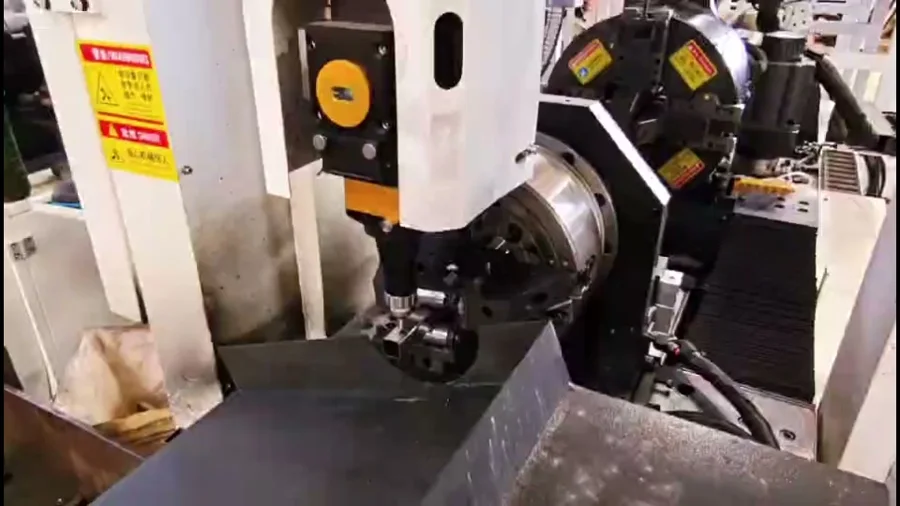
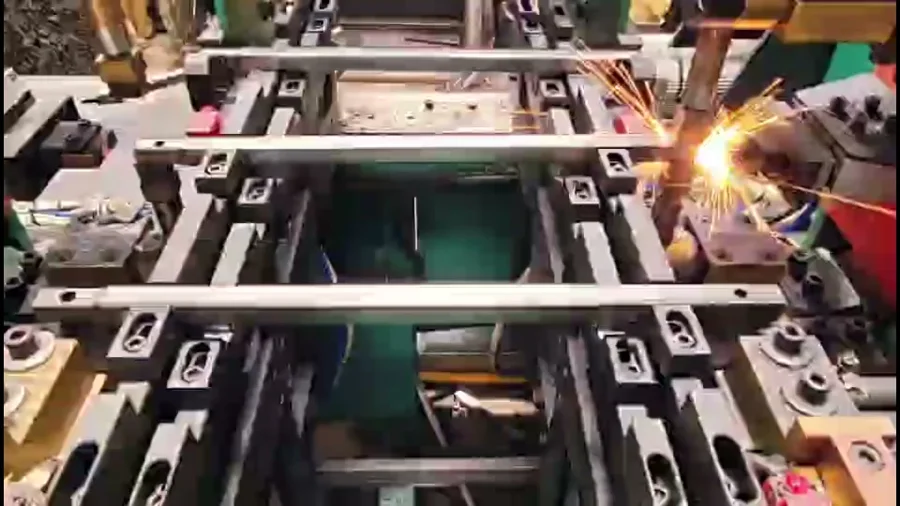
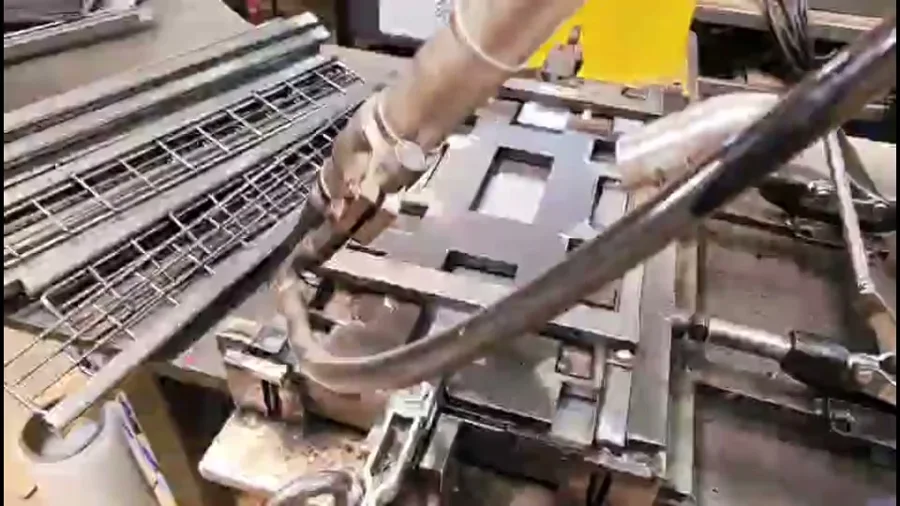
The factory today: tube processing, automatic cutting, welding and robotic welding (18 seconds, no sound).
20 yrsWorking togetherFrom hand work to automated lines
3Steps automatedTube cutting, welding, assembly
0Lines we builtThe factory invested; we walked the floor
1%At a timeHow yield went up

The challenge

Every bend by hand, one piece at a time

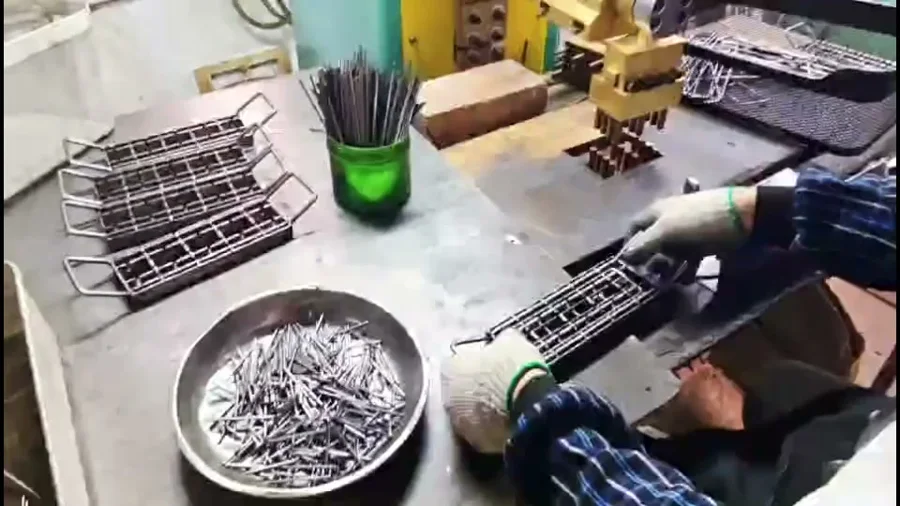
The supplier started as a workshop where wire was bent and joined by hand. That works for samples and small runs. Retail programs needed more volume and tighter consistency than hand work could give: every rack the same size, every weld holding, every carton the same.

Hands in work gloves assembling wire parts on a jig
Hand assembly still has its place

What we did

Walk the floor, year after year

Over twenty years we walked the production floor with them: looking for waste, working out where cost could come down, and pushing yield up one percentage point at a time. None of that shows up on a purchase order, but over twenty years it adds up to a supplier that can hold retail standards as volume grows.

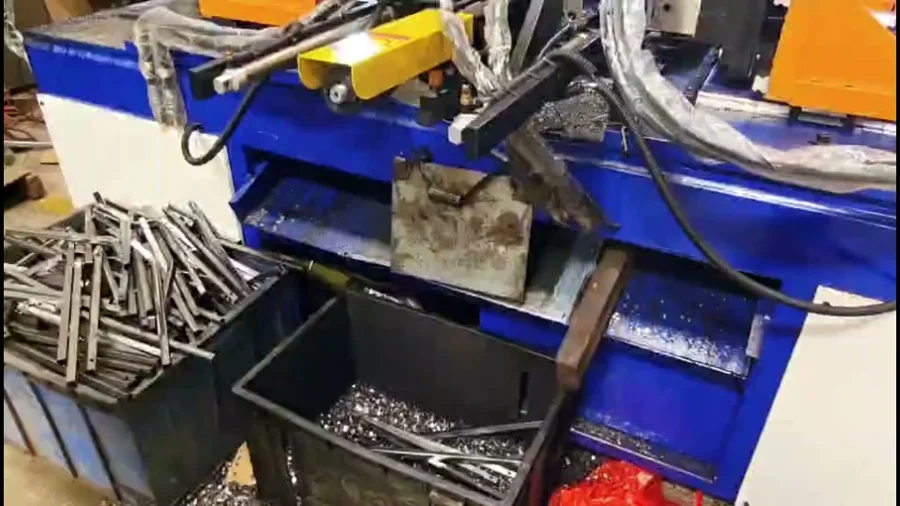
Automatic tube cutting machine with cut steel tubes
Automatic tube cutting

The factory today

Automated tube processing head
Tube processing
Automatic tube cutting
Automatic cutting
Welding sparks on a frame welding jig
Frame welding
Robotic welding torch over a wire rack on a jig
Robotic welding

The same supplier now runs automatic tube cutting, automatic welding and automated assembly. We didn't build the line; they did. Our Chinese name, 同駿, means horses running together, and this is what it looks like in practice.

For metal, wire and lantern items, see Home décor & bath. For how we work with factories, see What we do.

Related

Frequently asked questions

What does a trading company do for its factories?

Beyond placing orders, we walk the line with the factory: finding waste, working out where cost can come down and raising yield step by step. That work does not show up on a purchase order, but it is why a supplier can hold retail standards as volume grows.

Did Jason Craft invest in the factory's automation?

No. The factory built its own lines. Our part was twenty years of steady programs and time on the production floor: finding waste, working out where cost could come down and pushing yield up.

What does 同駿 mean?

Our Chinese name, 同駿, means horses running together. It describes how we work with customers and factories: moving forward together over the long term.

Looking for a supplier that grows with your program?

Send the item, the volume and the timing. References available on request.

Start a conversation